
If you’ve ever noticed your eyes getting itchy or your nose blocking up more indoors than outdoors, your aircon might be part of the story, for better or worse. A split system doesn’t just cool a room: it constantly pulls air across a filter, and what that filter is doing (or not doing) changes what you’re breathing all day.
The short version: a clean, well-matched filter genuinely helps with dust and some allergens. A neglected one does the opposite, and can actually make a room feel stuffier and dirtier than if the aircon wasn’t running at all.
What your aircon’s filter actually catches
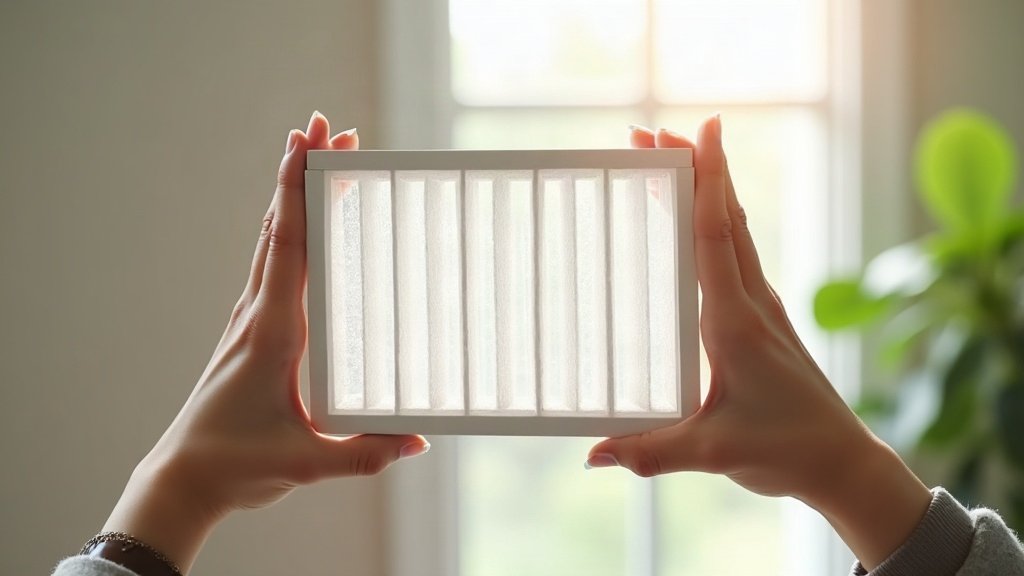
The filter in a standard split or ducted system sits right at the intake, and its main job is protecting the unit, not purifying your air. It’s built to stop dust, lint, pet hair and other larger particles from clogging the coil inside.
Standard filters are reasonably good at that coarser material. They’re much less effective against the really fine stuff, like pollen fragments or fine particulate smoke, unless the unit has a higher-grade filter fitted. If someone in the house has serious allergies or asthma, that’s worth discussing with your installer rather than assuming a standard filter has it covered.
Dust mites, humidity and why the aircon matters
Dust mites thrive in warm, humid conditions, and one thing air conditioning does well is bring humidity down. Running the aircon on a mild setting through summer, rather than leaving windows open in muggy weather, can make a room genuinely less hospitable to them over time.
That’s a real, useful side effect. It’s not a cure for a dust mite allergy on its own, and it doesn’t replace the basics: washing bedding regularly, vacuuming with a decent filter, and keeping humidity in check generally. Think of the aircon as one lever among several, not the whole fix.
When the aircon makes things worse, not better
Here’s the part people miss: a dirty filter or a mouldy indoor coil can turn your air conditioner into the problem. Dust builds up on a clogged filter and gets blown straight back into the room every time the fan runs. Musty smells on start-up are usually a sign of dampness or mould growth on the coil or in the drain, not just old unit smell.
If anyone in the house notices symptoms getting worse specifically when the aircon kicks in, that’s a strong hint the unit itself needs attention rather than the room. It’s a genuinely common complaint, and it’s almost always fixable with cleaning or servicing rather than replacement.
The filter cleaning routine that actually matters
Most of the benefit here comes down to a habit, not a product. For a typical home:
- Monthly during heavy use: pull the filter out and give it a proper clean, not just a quick rinse under the tap.
- Check for a musty smell on start-up: that’s your cue to look at the coil and drain, not just the filter.
- Before each cooling or heating season: a proper clean and once-over before the unit’s about to run hard for months.
- If anyone has allergies or asthma: keep to the shorter end of that schedule and mention it when you book a service.
We’ve covered the full cleaning steps in our simple maintenance routine, including what’s safe to do yourself and what to leave to a professional.
What’s DIY and what isn’t
Pulling the filter out, rinsing it and popping it back in is genuinely a five-minute DIY job on almost every split system, and it’s the single biggest thing you can do yourself for indoor air quality. Wiping down visible dust on the indoor unit’s casing is fine too.
Where it stops being DIY: anything involving the refrigerant circuit, the sealed parts of the system, or a coil clean that needs the unit opened up properly. That’s licensed-technician territory under Australia’s refrigerant handling rules, administered through the ARCtick scheme. If a filter clean hasn’t fixed a persistent musty smell or ongoing symptoms, that’s the point to book a professional service rather than keep guessing.
Does upgrading the filter actually help?
Some systems can take a higher-grade filter than what came standard, and for a household with genuine allergy or asthma concerns, it’s a fair question to ask your installer. It’s not something to bolt on without checking first though: a filter that’s too restrictive for the unit can choke airflow and make the system work harder than it should.
The honest answer is that it depends on the specific unit and what it’s rated to take, so this is an ask-a-professional-who-can-look-at-your-exact-system situation rather than a blanket recommendation.
The bottom line
Run a clean aircon and you get a real, if modest, improvement in dust and humidity-driven indoor air quality. Run a neglected one and you can end up worse off than not running it at all. The fix costs nothing but five minutes with the filter and paying attention to what your nose is telling you when the unit switches on.
For the bigger picture on how your system works and what else affects comfort at home, see our Australian home air conditioning guide.