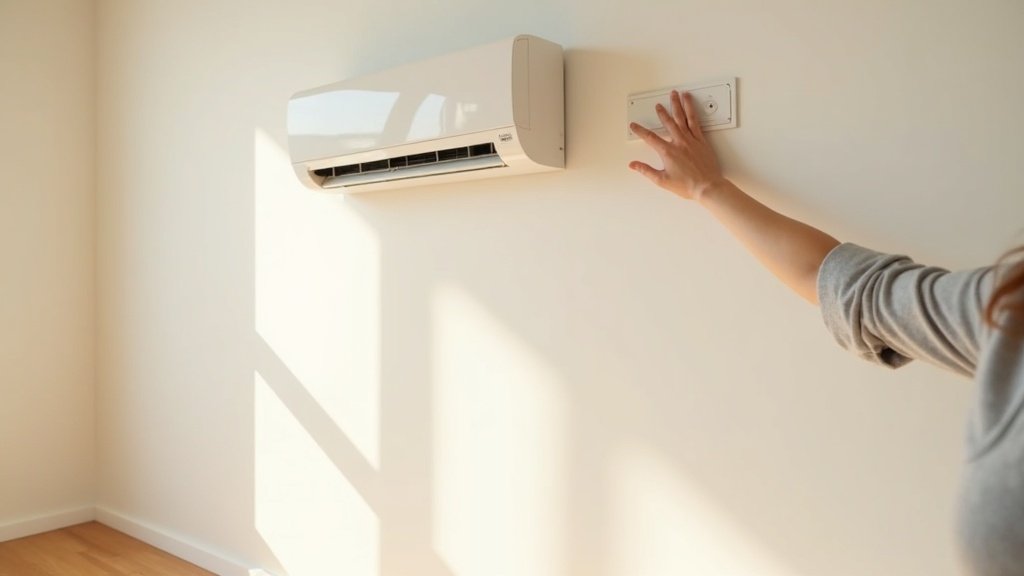

If your power bill jumps every summer and you reckon the aircon is the culprit, you are probably right, but the amount it costs you is not fixed. Two households with the same unit on the wall can pay wildly different amounts to run it, and the gap comes down to a handful of things you actually control. Here is what really drives the cost of running air conditioning in an Australian home, and where the easy savings hide.
The things that decide your aircon bill
Nobody can quote you a cents-per-hour figure without knowing your setup, because the running cost is a product of a few moving parts working together. The main ones:
- The power the unit draws: a bigger or harder-working system pulls more electricity while it runs, so a whole-home ducted setup on a hot day costs more to run than a single bedroom split.
- How long you run it: an hour here and there is cheap, but a unit left going all day and half the night adds up fast no matter how efficient it is.
- Your electricity tariff: what you pay per unit of power, and whether you are on a flat rate or a time-of-use plan, varies by state, retailer and even time of day.
- The temperature you set: every degree you push the thermostat past what the weather is doing outside makes the unit work harder for longer.
- How efficient the unit is: an older, tired system turns more of your money into running cost for the same amount of cooling than a newer efficient one.
Change any one of those and the number moves. The good news is that most of them are yours to adjust.
Why the thermostat setting matters more than people think
This is the biggest lever most people never touch. An aircon is not filling the room with cold like a tap fills a bucket. It is fighting the gap between the temperature you asked for and the temperature outside, and the wider that gap, the harder and longer it has to run. Set it to something sensible for the season and it reaches that point and coasts. Set it to a deep chill on a stinking hot day and it never catches up, so it runs flat out and your bill climbs with it.
The practical takeaway: nudge the setpoint to the mildest temperature that still feels comfortable, rather than defaulting to an extreme and leaving it there. You will barely notice the difference in the room, but the unit spends far less time working at full noise, and that is where the saving lives.
What efficiency ratings tell you, and what they do not
New air conditioners sold in Australia carry an energy rating label, and reverse-cycle models use the Zoned Energy Rating Label, which shows separate performance for hot, average and cold climate zones. It is administered under the national Equipment Energy Efficiency program, and you can read how it works at the government site energyrating.gov.au. More stars means the unit does more cooling or heating for each unit of power it draws, so a higher-rated model of the same capacity will generally cost less to run.
What the label cannot do is tell you your actual bill. It compares units against each other under set test conditions, not against your climate, your habits or your tariff. So treat the stars as a way to compare two units side by side when you are buying, not as a promise of what you will pay. A five-star unit run hard all day in a leaky, sun-baked room can still cost more than a modest unit run sensibly in a well-shaded one.
Cheap habits that genuinely lower the cost
You do not need to spend a cent. A few honest habits do most of the work:
- Shut the room off: close doors and windows so you are only cooling the space you are in, not trying to condition the whole house through an open hallway.
- Block the heat before it arrives: pull blinds and curtains on the sunny side during the day, because it is far cheaper to keep heat out than to pump it back out once it is in.
- Use the timer and the fan: run it before the worst of the heat rather than chasing a hot room, and let a ceiling fan spread the cool air so you can sit at a milder setpoint.
- Keep the filters clean: a clogged filter chokes the airflow and makes the unit work harder for less, so a quick monthly clean pays for itself in running cost.
- Give the outdoor unit room to breathe: keep it clear of leaves, cobwebs and clutter so it can dump heat freely instead of straining.
When an old unit is quietly costing you more than a new one
There comes a point where an ageing system is burning money. If it is many years old, needs regular repairs, ices up, or never cools the way it used to, it is likely running longer and drawing more power to do a worse job than a current model would. That does not mean replace a unit that still works fine, but if yours is on its last legs and the repair bills are stacking up, the running-cost saving from an efficient replacement can be a real part of the sums, not just the comfort.
Worth remembering too: a fixed split or ducted system has to be installed and connected by a licensed electrician for the electrical side and an ARC-licensed technician for the refrigerant, so a swap is a professional job, not a weekend one. If you want to see how running cost sits alongside sizing, choosing a type and general upkeep, our Australian home air conditioning guide pulls the whole picture together. The short version on cost is this: you control more of it than you think, and the setpoint and your habits matter more than the sticker on the box.