
Short version. An air conditioner does not make cold air, it moves heat out of your house. Getting the size right matters more than the badge on the front. Clean filters do more for your power bill than anything else you can do for free. And there is a hard line between what you can install yourself and what the law says a licensed tradesperson has to touch.
What is actually happening inside it
There is refrigerant looping around your system, changing state as it goes. At the indoor coil it soaks up heat from your room air. The compressor squeezes it until it is hotter than the air outside, which is the whole trick, because heat only moves from hot to cold. Out at the condenser it dumps that heat, expands, goes cold again, and comes back for another load.
So when the outdoor unit blows warm air at you on a stinking hot day, that is not wasted energy. That is your lounge room’s heat being thrown out into the yard.
Run the same loop backwards and you have reverse cycle heating. It pulls heat from cold outside air and carries it inside. Sounds like nonsense on a frosty morning, but there is still heat energy in cold air and a heat pump is good at scavenging it. A bar heater makes heat. A heat pump relocates heat that already exists.
The water dripping off your unit is condensation from the indoor coil, same as a cold beer sweating on the bench. If it drips inside the house though, your condensate drain is blocked.
The system types at a glance
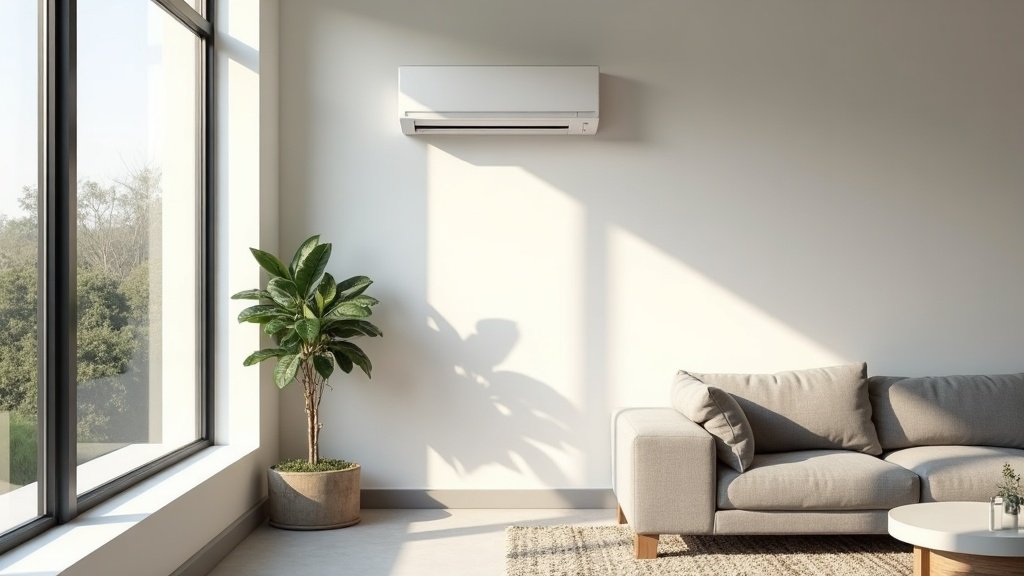
- Split system: one indoor head, one outdoor unit, hard wired in. The workhorse for a bedroom or open plan living area.
- Multi split: several indoor heads off a single outdoor unit. Handy when you have nowhere to put a row of condensers.
- Ducted: one central unit pushing air through the roof space to vents in every room, usually zoned.
- Portable: a box on castors with a hose out the window. Plug it in and go.
- Window or wall box: sits in a window opening or a hole in the wall, in one piece. Cheaper than a split, louder, one room only.
- Evaporative: draws outside air through wet pads. Superb in dry inland heat, close to useless on a humid coastal day.
Who is legally allowed to install what
This is the bit people get wrong, and it bites.
A plug in portable or window unit is yours to set up on a Saturday. It runs off a normal power point, no refrigerant work is involved, and no licence is needed.
Anything with refrigerant piping between an indoor and an outdoor unit is a different animal, and it takes two separate licensed trades. The refrigerant side needs a technician holding a refrigerant handling licence, administered by the Australian Refrigeration Council. The electrical side, meaning the dedicated circuit and the isolator, needs a licensed electrician working under your state or territory’s electrical safety regulator.
That is not the industry protecting its patch. Those are legal requirements, and a dodgy DIY split install voids your warranty and gives your insurer a reason to knock back a claim.
Sizing: bigger is not better
The instinct is to buy the biggest unit you can afford. It is the wrong instinct.
An oversized system cools the room fast, hits the setpoint, and shuts down. Then it fires back up minutes later. That is short cycling, and the unit never runs long enough to pull humidity out of the air. You get a room that is cold and clammy at once, plus a compressor hammered by constant stopping and starting. An undersized one runs flat out all day and wears itself out trying.
What drives the right capacity is your room: floor area and ceiling height, how much glass you have and which way it faces, insulation, and your climate. A west facing wall of windows in Perth is a completely different job to a shaded south facing bedroom in Hobart. Rules of thumb off the internet get you in the ballpark and no further. A proper heat load calculation from a qualified installer is the only way to land on the real number.
What drives the running cost
Four things, roughly: how much power the unit draws, how many hours you run it, your electricity tariff, and where you set the thermostat.
The setpoint is the lever most people ignore. Every extra degree of cooling you ask for means the machine fights a bigger gap between inside and outside. Nudging the thermostat toward the outdoor temperature rather than away from it costs very little comfort and saves real money.
The free wins are unglamorous. Shut the doors to rooms you are not using. Close the blinds before the sun gets on the glass, not after. Seal the draughts. Clean the filters.
Keeping it running
Monthly, pull the filters out and wash or replace them. A choked filter starves the unit of airflow, so it works harder for less cooling and can ice the coil up. Five minute job, highest value thing you can do.
Seasonally, clear the leaves, clippings and cobwebs off the outdoor unit. It needs to breathe to dump heat. Check the condensate drain runs free while you are there.
What you do not touch: refrigerant, anything electrical, and anything sealed. A low refrigerant charge is not a top up you do yourself, it is a licensed job, and it usually means there is a leak that needs finding rather than refilling.
Where to start
Work out the type first and the brand second. If you rent, a portable or window unit is your answer. If you own, get a licensed installer to do the heat load numbers before anyone talks about models. And if your current system is not keeping up, check the filter before you check your bank balance. It is astonishing how often that is the whole story.